
A Sloan Science and Student Academy Gold Medal 2012 Awarded short film. A watchmaker gets lost in memory searching for his clock.

Full Film (non-stereoscopic) below
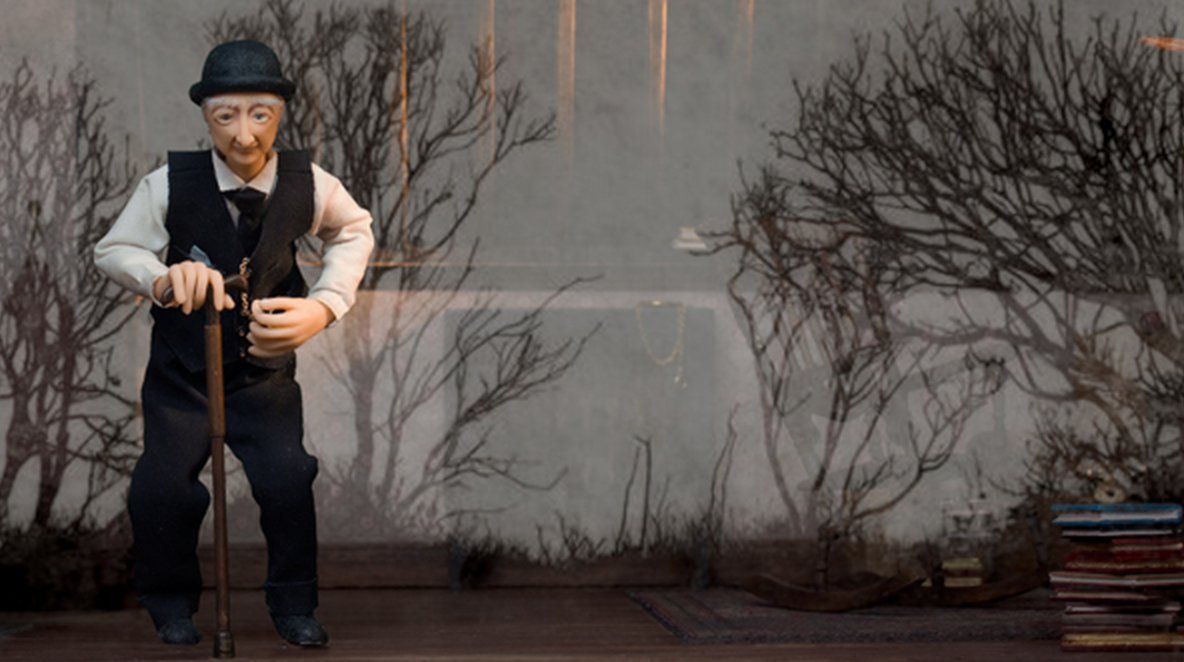
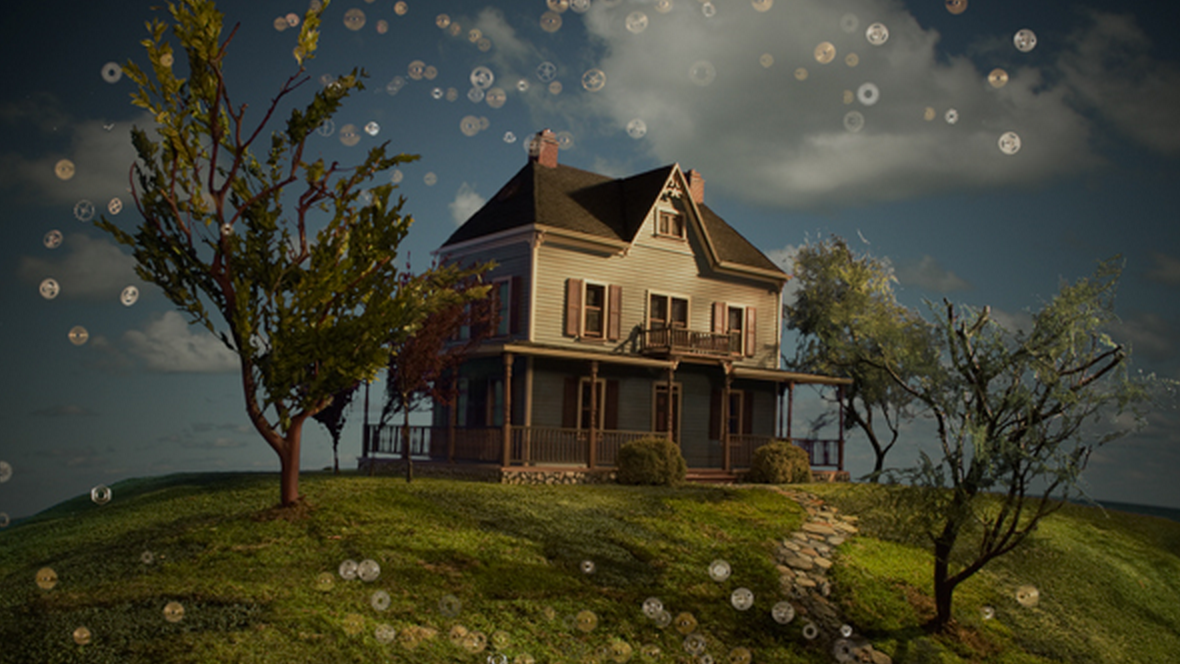
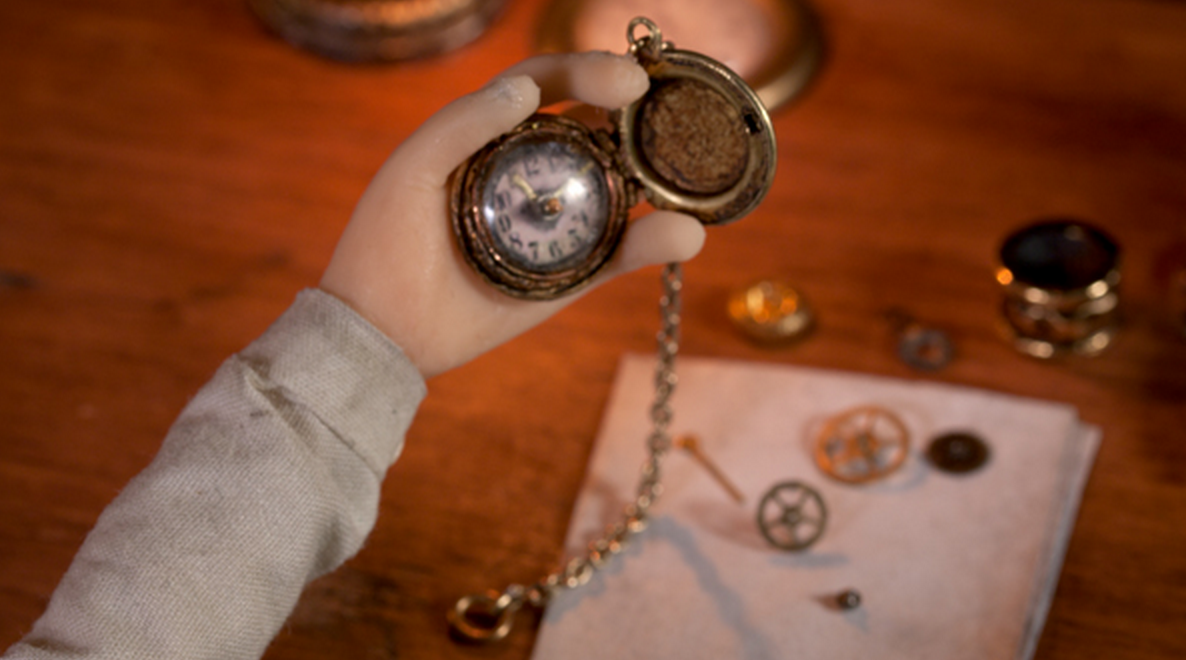
The Reality Clock is an animated portrait of a watchmaker's struggle to accept the influence of early stage Dementia on his sense of identity and time. Shot in full stereoscopic 3D, using stop-motion, live-action and time-lapse photography, the film references tests and dialog drawn from autobiographical works written by individuals with Dementia, while expressing broader themes of loss. My inspiration for the film grew out of conversations shared with individuals with Dementia as a hospice volunteer worker. Multiple layers of experience and time lyrically intertwined, expressing an emotional rather than rational sense of reality. I intended to present this experience using a poetic visual language that felt closer to this non-linear type of perspective.
Anaglyph Stereoscopic trailer. The film is available in side-by-side (polarized) and anaglyph formats for 3D viewing. It has had multiple stereoscopic screenings including at the DGA, Film and Television Academy, and other theaters in Los Angeles, the Pacific Northwest, and abroad.